Simple Steps to Ease Pet Stress
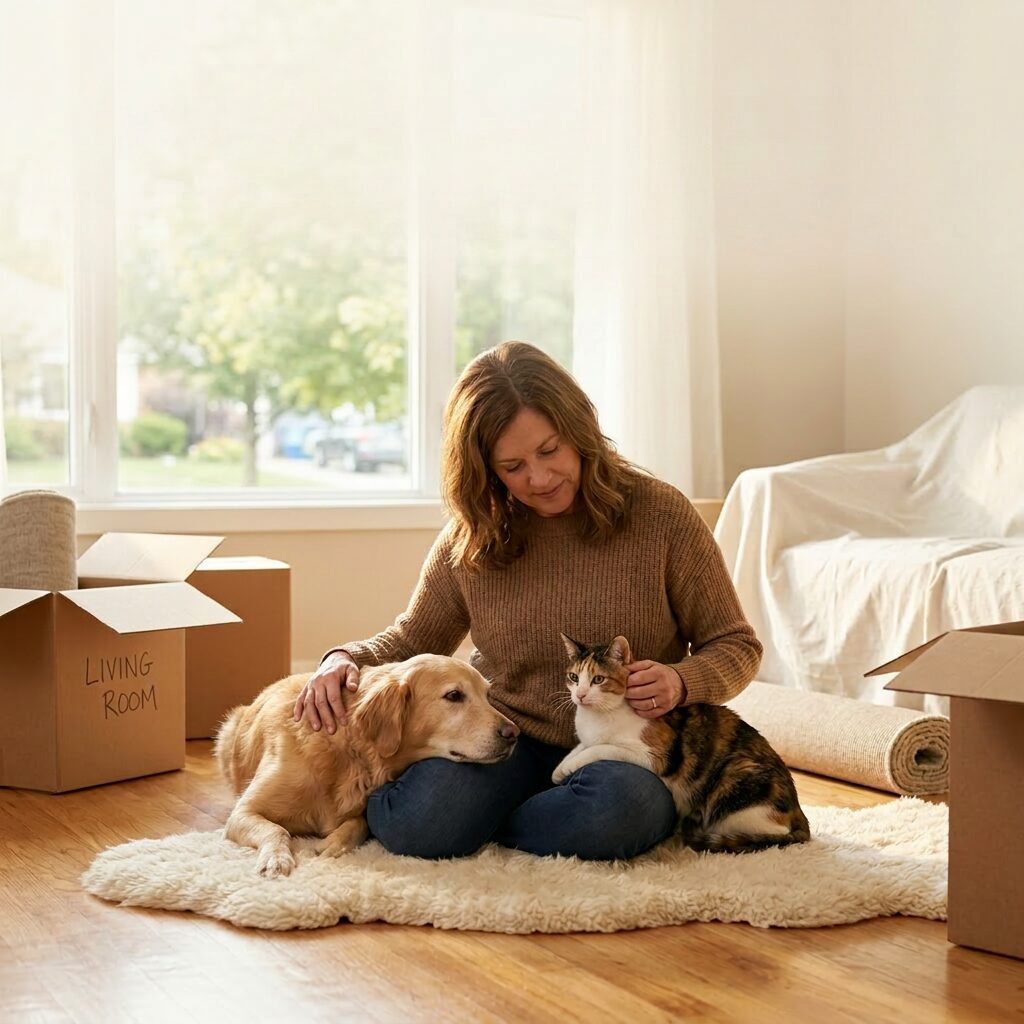
For busy families, new parents, and renters preparing to move, it’s easy to chalk up a pet’s “weird” behavior to stubbornness or a phase. The harder truth is that common life transitions, moves, schedule shifts, breakups, renovations, or new people and pets can create pet routine disruption that quietly chips away at the emotional well-being of pets. These household changes often show up as subtle pet stress triggers long before they look like a serious problem. Recognizing the impact of household changes on pets is the first step to responding with clarity instead of frustration.
Understanding Pet Behavior During Major Changes
Pets react to big life shifts through emotion first, behavior second. A move, a new baby, or a new work schedule can change what feels safe and predictable, so reactions like hiding, barking, clinginess, or accidents are often signals, not “attitude.” Learning the basics of reading dog behavior helps you connect the changes at home to what changed in your pet.
This cause-and-effect map matters because it keeps you from punishing the wrong problem. When you treat stress like disobedience, pets can become more anxious and harder to soothe. When you treat it like a clue, you can adjust routines and rebuild confidence faster.
Imagine your pet’s day as a familiar script. If feeding time shifts, walks disappear, and strangers arrive, the script breaks and your pet tries new “lines” to cope. Those behaviors make more sense once you link them to a specific disruption. That same lens makes education-driven schedule changes easier to design without rattling your pet’s daily stability.
Keep Routines Steady During School: A Flexible Study Plan for Pet Owners
Because pets often react to disruptions in timing and availability, it helps to shape new commitments around the routines they already rely on. If you’re starting an online degree during a career transition, flexible scheduling and at-home learning can make it easier to stay present and keep your pet’s day-to-day rhythm steadier. By planning predictable blocks for care alongside study time, you can reduce the “now you’re here, now you’re gone” pattern that can unsettle many animals. For anyone considering this path, here’s a worthwhile read on online healthcare degrees to help you explore options, especially since earning a healthcare degree can also position you to make a positive impact on the health of individuals and families
Practical Moves to Calm Pets Through Transitions
- Anchor the day with two non-negotiables: Choose two daily touchpoints you can keep steady no matter what. Typically a morning potty/walk and an evening meal. Hold the timing within a 30–60 minute window, even if the duration varies. Pets relax when they can predict what happens next. These anchors stabilize the whole day while you adjust the rest of your schedule.
- Create a decompression zone (and protect it): Set up a quiet area. A bed, water, and a safe chew/lick option. Teach everyone the rule: no chasing, hugging, or loud play in that space. A dedicated retreat helps pets self-regulate when the house is busier than usual. Many animals settle faster with a space of their own. Plac it away from entryways and foot traffic so “change cues” don’t constantly interrupt rest.
- Use a “same cues, same rewards” training refresh. Pick 3–5 core cues (sit, down, place/bed, come) and practice for 3 minutes twice a day. Keep treats consistent and reward generously in the first week of a transition to rebuild confidence. This works because familiar cues turn confusing moments, moving boxes, visitors, and new class hours into predictable patterns. Your pet already understands.
- Run mini-desensitization drills for the new routine. If your schedule will shift (online classes, a new job, school pickups), rehearse it in small pieces. Example: put on shoes, pick up keys, step outside for 1 minute. Return calmly; repeat and slowly extend to 5–15 minutes. This routine stabilization technique reduces “big departures” into boring, repeatable events.
- Add one calming enrichment block during your study time:. Instead of relying on extra attention, give your pet an activity that matches their natural coping style. Sniffing for dogs (scatter feed in a towel), shredding (paper bags for supervised play), or hunting for cats. (5-minute wand play followed by a small snack). Pair it with your longest focused work block so your pet learns that your “busy time” reliably predicts something enjoyable.
- Keep bonding intentional, not constant. Aim for two short, high-quality owner-pet bonding activities daily. A 10-minute walk with permission to sniff, or 5 minutes of gentle grooming with pauses if your pet turns away. Over-checking on an anxious pet can accidentally reinforce clinginess, while predictable, calm contact teaches secure independence.
- Stabilize health routines and remove preventable stressors. Transitions often disrupt preventive care, refills, and parasite control, then discomfort shows up as irritability or restlessness. If budgeting is tight during school or a move. Consider spreading predictable costs with a monthly payment plan for routine services so care doesn’t lapse when life gets busy. Keep a simple log for 7–10 days, sleep, appetite, potty habits, and triggers, so you can spot patterns quickly.
Common Questions About Pets and Big Life Changes
Q: What are the most common signs my pet is struggling with change?
A: Look for shifts in eating, sleep, bathroom habits, and social behavior, not just “nervous energy.” Panting, pacing, hiding, extra clinginess, and new destructiveness can all be stress signals. Track what you see for a week so you can spot patterns and triggers.
Q: How can I tell if it’s anxiety or just a normal adjustment?
A: Many owners use anxiety as a catch-all, and anxiety is used as a blanket description for behaviors they dislike. A normal adjustment usually improves with predictable care and practice. True distress tends to intensify or spread to new situations. When in doubt, write down what happened right before the behavior and how long it lasted.
Q: Can I comfort my pet too much and make clinginess worse?
A: Calm reassurance is fine, but constant hovering can accidentally teach that worry brings extra attention. Offer brief check-ins, then reward relaxed, independent behavior like settling on a bed or chewing a toy. Keep your voice and movements low-key so you do not amplify the moment.
Q: When should I call a professional for behavior help?
A: Reach out promptly if there is biting, attempts to escape, self-injury, or nonstop panic. If that does not ease after a week or two. The ASPCA advises you to seek an expert when a problem puts people or animals at risk. Bring your notes, videos, and a list of recent changes to speed up help.
Q: Should I change food, supplements, or calming products during a transition?
A: Avoid stacking multiple new things at once, since side effects can mimic stress. If you want to try a calming aid, change only one variable. Ask your vet about safety and dosing first. Often, improving sleep, exercise, and predictability does more than a new product.
Keeping Pets Steady When Life Changes Keep Coming
Big transitions can unsettle pets because household changes impact the rhythms and cues they rely on. The most reliable answer is mindful pet care. Encouraging consistent pet routines. Watching for stress signals early, and supporting pet adaptation with calm, steady expectations as the home evolves. When this approach becomes the default, behavior shifts feel less mysterious and more proactive. Pet well-being becomes easier to maintain through each new season. Consistency is the fastest comfort a changing home can offer a pet. Choose one daily anchor to protect this week: meal timing, walks, or a quiet rest window, and keep it predictable. That simple commitment builds resilience, strengthens trust, and supports long-term health.
For more pet help tips, check out All Well Beings Healthy Pets